Comprehensive Guide to Computer E-Waste: Safe Disposal, Recycling, and Environmental Impact
Computer e-waste, or electronic waste, is a growing concern in our technology-driven world. As devices become obsolete at an alarming rate, understanding how to manage this waste is crucial for both environmental sustainability and public health. This comprehensive guide will delve into the definition of computer e-waste, the importance of proper disposal methods, and the environmental impacts associated with improper handling. Readers will learn about safe disposal practices, local recycling options, and the legal frameworks governing e-waste management. By addressing these topics, we aim to equip individuals with the knowledge needed to make informed decisions about their electronic waste.
What Is Computer E-Waste and Why Is Proper Disposal Important?
Computer e-waste refers to discarded electronic devices, including computers, monitors, and peripherals, that are no longer in use. Proper disposal is essential to mitigate the environmental hazards associated with these items. E-waste contains toxic substances such as lead, mercury, cadmium, and other hazardous materials, which can leach into the soil and water, posing significant health risks to humans and wildlife. Understanding the components of e-waste and the consequences of improper disposal is vital for promoting responsible recycling practices.
Defining Electronic Waste and Its Components
Electronic waste encompasses a wide range of devices, including computers, laptops, printers, and smartphones. These items often contain various components, such as circuit boards, batteries, and plastics, which can be harmful if not disposed of correctly. For instance, circuit boards may contain heavy metals like lead and cadmium, while batteries can leak toxic chemicals such as lithium and mercury. Recognizing the types of electronic waste and their components is the first step toward responsible disposal.
Environmental Hazards Caused by Improper E-Waste Handling
Improper handling of e-waste can lead to severe environmental consequences. Toxic substances found in e-waste can contaminate soil and water sources, affecting ecosystems and human health. For example, lead exposure can cause neurological damage, particularly in children. Statistics indicate that improper e-waste disposal contributes significantly to global pollution, with approximately 50 million tons of e-waste generated worldwide each year, a large portion of which ends up in landfills or informal recycling sites. Understanding these hazards underscores the importance of proper e-waste management.
Further research highlights the specific health dangers posed by e-waste, particularly to vulnerable populations.
E-Waste Health Risks: Heavy Metals & Children
E-waste recycling has become a global environmental health issue. Pernicious chemicals escape into the environment due to informal and nonstandard e-waste recycling, posing a serious threat to human health, especially to children. E-waste contains various toxic substances (e.g., heavy metals), such as, lead, cadmium, mercury, chromium, and brominated flame retardants.
Children with health impairments by heavy metals in an e-waste recycling area, HM Boezen, 2016
How Can You Safely Dispose of Old Computers and Electronics?
Safely disposing of old computers and electronics involves several steps to ensure that e-waste is handled responsibly. By following a structured approach, individuals can minimize their environmental impact and contribute to sustainable practices.
Step-by-Step Guide to Safe E-Waste Handling and Disposal
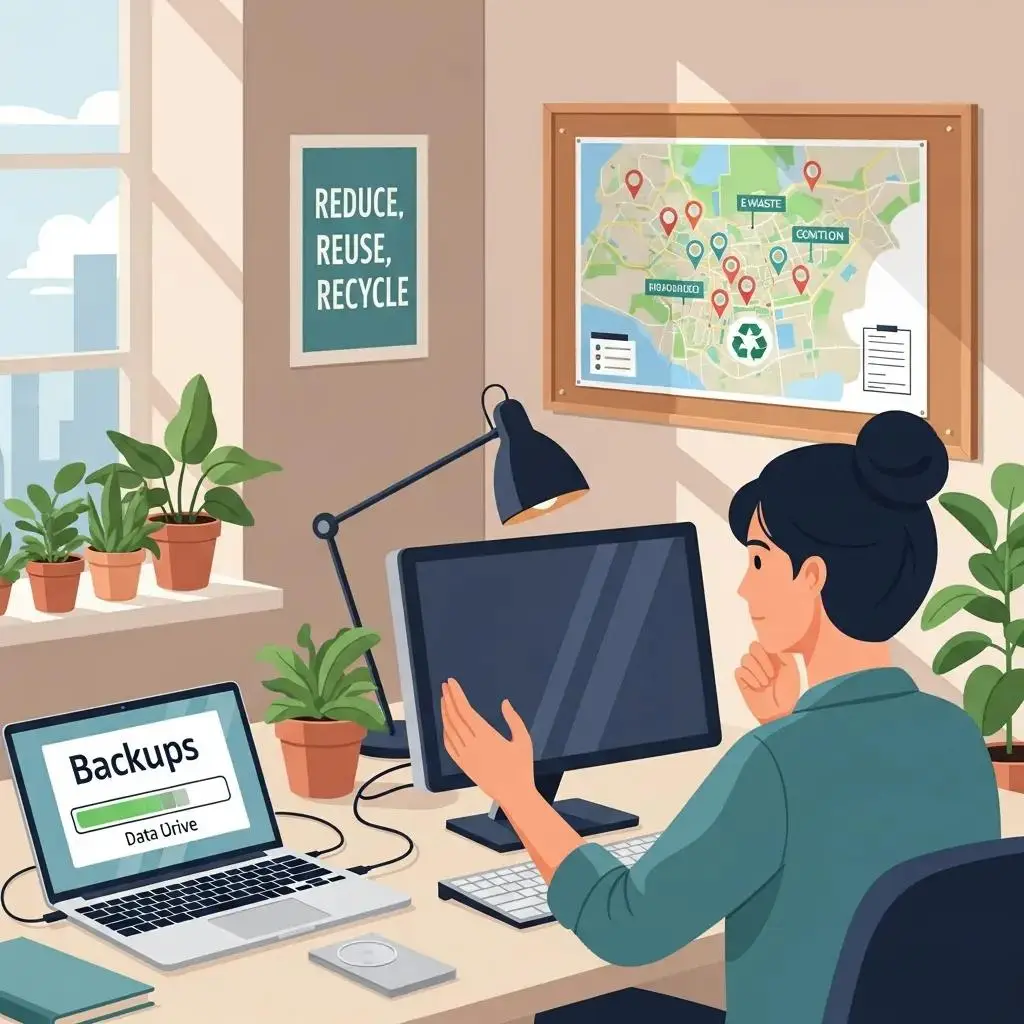
- Assess the Condition: Determine if the device is still functional. If it is, consider donating or selling it.
- Backup Data: Before disposal, back up any important data and perform a factory reset to protect personal information.
- Find a Recycling Center: Locate a certified e-waste recycling center in your area that follows environmental regulations.
- Drop Off or Schedule Pickup: Many centers offer drop-off services or scheduled pickups for larger items.
By following these steps, individuals can ensure that their e-waste is disposed of safely and responsibly.
Items Accepted at Electronics Recycling Centers
Electronics recycling centers typically accept a variety of items, including:
- Computers and Laptops: Both desktop and portable devices.
- Monitors and TVs: CRTs and flat-screen models.
- Peripherals: Keyboards, mice, and printers.
- Batteries: Rechargeable batteries and some non-rechargeable batteries (check local guidelines).
However, not all items are accepted. It’s essential to check with local recycling centers for specific guidelines on what can and cannot be recycled.
Where to Find Local Electronics Recycling Centers and Programs?
Finding local electronics recycling centers is crucial for responsible e-waste disposal. Various resources can help individuals locate nearby facilities and understand the recycling programs available in their communities.
Using Interactive Maps and Tools to Locate Nearby Recycling Facilities
Many websites and applications provide interactive maps to help users find local recycling centers. These tools often include filters for specific types of e-waste, making it easier to identify suitable drop-off locations. Users can enter their zip code or postal code to find the nearest facilities and view their accepted items.
Understanding Computer Recycling Programs and Their Benefits
Participating in computer recycling programs offers numerous benefits, including:
- Environmental Protection: Reducing landfill waste and preventing toxic substances from entering the environment.
- Resource Recovery: Recycling allows valuable materials to be recovered and reused, reducing the need for new raw materials.
- Community Engagement: Many programs promote community involvement and awareness about e-waste issues.
By understanding these benefits, individuals can appreciate the importance of participating in local recycling initiatives.
What Are E-Waste Collection Events and How to Participate?

E-waste collection events provide an opportunity for individuals to dispose of their electronic waste safely and responsibly. These events are often organized by local governments or environmental organizations.
Schedules and Locations of Upcoming E-Waste Collection Drives
Many communities host regular e-waste collection drives, where residents can drop off their unwanted electronics. These events are typically advertised through local news outlets, community boards, and social media. It’s essential to check the schedule and location of these events to ensure participation.
How Collection Events Support Community Recycling Efforts
E-waste collection events play a vital role in promoting community recycling efforts. They not only provide a convenient way for residents to dispose of their e-waste but also raise awareness about the importance of responsible electronic waste management. Testimonials from participants often highlight the ease and satisfaction of contributing to environmental sustainability.
What Are the Environmental Effects and Hazards of Computer E-Waste?
The environmental effects of computer e-waste are profound and far-reaching. Understanding these impacts is crucial for fostering responsible disposal practices.
Data-Driven Insights on E-Waste Pollution and Toxicity
Research indicates that e-waste is one of the fastest-growing waste streams globally, with approximately 50 million tons generated each year. Toxic substances in e-waste can lead to significant pollution, affecting air, soil, and water quality. Studies show that improper disposal can result in the release of harmful chemicals, contributing to environmental degradation and health risks.
The broader scope of environmental hazards associated with e-waste underscores the urgent need for effective management strategies.
Environmental Hazards & E-Waste Management
E-waste is among the fastest growing solid waste classes and represents a serious hazard for the environment. It consists of a mixture of hazardous inorganic and organic materials, for example, heavy metals, polycyclic aromatic hydrocarbons, polychlorinated biphenyls, and brominated flame retardants, along with valuable metals, such as Au, Ag, and Pd. Direct e-waste disposal to landfills without any prior treatment creates threats to the environment due to leaching of metals in water and soil. Improper e-waste recycling, such as by open burning and acid baths, creates hazardous and toxic compounds, like dioxins, furans, and acids.
Environmental hazards and management of E-waste, S Rawat, 2019
Long-Term Impact of E-Waste on Ecosystems and Human Health
The long-term impact of e-waste on ecosystems and human health is alarming. Contaminated soil and water can lead to bioaccumulation of toxins in wildlife, disrupting food chains and harming biodiversity. Additionally, human exposure to these toxins can result in serious health issues, including respiratory problems, neurological disorders, and developmental delays in children. Understanding these long-term effects emphasizes the need for effective e-waste management strategies.
What Are the Legal and Regulatory Considerations for E-Waste Management?
Legal and regulatory frameworks play a crucial role in managing e-waste effectively. Understanding these regulations is essential for compliance and responsible disposal.
Overview of Current E-Waste Recycling Laws and Compliance Requirements
Many countries have established laws governing e-waste recycling, aimed at reducing environmental impact and promoting responsible disposal. These laws often require manufacturers to take responsibility for the end-of-life management of their products through Extended Producer Responsibility (EPR) programs. Compliance with these regulations is essential for businesses and individuals alike.
How Recent Regulatory Changes Affect Computer E-Waste Disposal
Recent regulatory changes have introduced stricter guidelines for e-waste disposal, emphasizing the importance of recycling and proper handling. These changes aim to enhance environmental protection and ensure that e-waste is managed sustainably. Staying informed about these regulations is crucial for individuals and businesses involved in electronic waste management.
| E-Waste Component | Hazardous Material | Environmental Impact |
|---|---|---|
| Circuit Boards | Lead, Cadmium | Soil and water contamination |
| Batteries | Mercury, Lithium | Toxic leachate affecting ecosystems |
| Plastics | Brominated flame retardants | Air pollution during incineration |
Studies further confirm the significant impact of e-waste processing on soil quality, revealing elevated levels of heavy metals in contaminated areas.
E-Waste Contamination: Heavy Metals in Soil
Heavy metals are released into the environment during e-waste processing activities. Here, the concentrations of nine metals in soil at four contaminated sites in Qingyuan (an e-waste recycling area in China) and the risks posed were investigated. The results showed that the concentrations of Cu, Zn, Pb, Cd, Cr, Ni, As, and Hg in the soil were significantly higher than the background values.
Heavy metals in soil contaminated through e-waste processing activities in a recycling area: Implications for risk management, 2019
This table highlights the hazardous materials found in common e-waste components and their potential environmental impacts, underscoring the importance of proper disposal methods.
E-waste management is a critical issue that requires collective action. By understanding the components of e-waste, the environmental hazards associated with improper disposal, and the legal frameworks in place, individuals can make informed decisions about their electronic waste. Engaging in safe disposal practices and participating in local recycling initiatives can significantly reduce the environmental impact of e-waste and promote a sustainable future.