Electronic Recycling Locations and E Waste Events: How to Participate in Community Recycling Programs
As electronic waste continues to grow at an alarming rate, community involvement in e-waste recycling events has become crucial for environmental sustainability. This article will guide you through the significance of e-waste events, how to locate recycling locations, and the best practices for participating in these initiatives. By understanding the importance of electronic recycling, you can contribute to reducing the environmental impact of discarded electronics. We will explore various aspects, including safe disposal guidelines, community engagement strategies, and the regulations governing e-waste recycling.
What Are E Waste Events and How Do They Support Electronic Recycling?
E-waste events are organized initiatives aimed at collecting and recycling electronic waste from the community. These events play a vital role in promoting responsible disposal practices and reducing the environmental hazards associated with electronic waste. By providing a convenient way for individuals to dispose of their old electronics, these events help divert harmful materials from landfills and promote recycling.
Defining Electronic Waste and Its Environmental Impact
Electronic waste, or e-waste, refers to discarded electrical or electronic devices, including computers, televisions, and smartphones. The environmental impact of e-waste is significant, as it contains hazardous materials such as lead, mercury, and cadmium, which can leach into the soil and water, causing pollution and health risks. According to the United Nations, global e-waste generation is expected to reach 74.7 million metric tons by 2030, highlighting the urgent need for effective recycling solutions.
The severe environmental and health risks associated with e-waste are further underscored by global practices, as detailed in recent research.
E-Waste Hazards: Exposure & Prevention Strategies
As one of the largest waste streams, electronic waste (e-waste) production continues to grow in response to global demand for consumer electronics. This waste is often shipped to developing countries where it is disassembled and recycled. In many cases, e-waste recycling activities are conducted in informal settings with very few controls or protections in place for workers. These activities involve exposure to hazardous substances such as cadmium, lead, and brominated flame retardants and are frequently performed by women and children.
Prevention-intervention strategies to reduce exposure to e-waste, 2018
How Community Recycling Programs Organize E Waste Collection Events
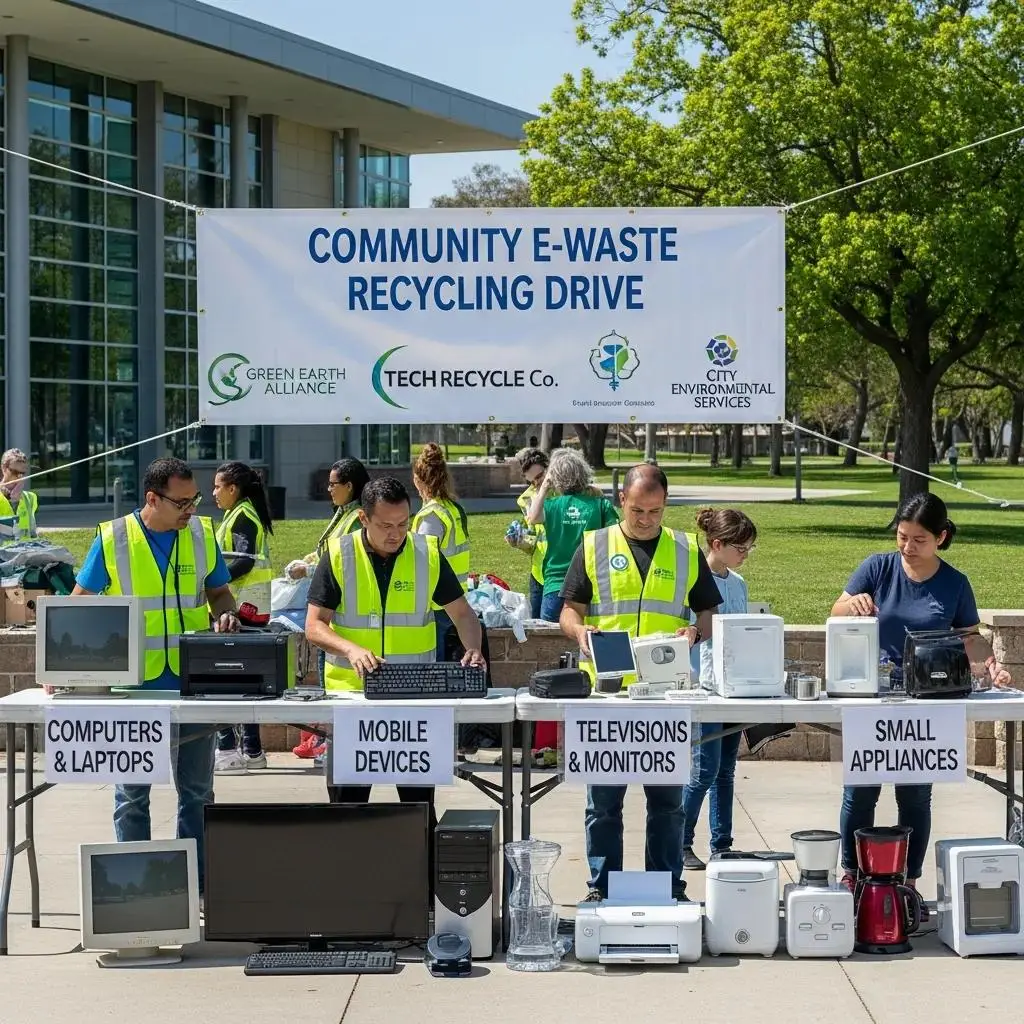
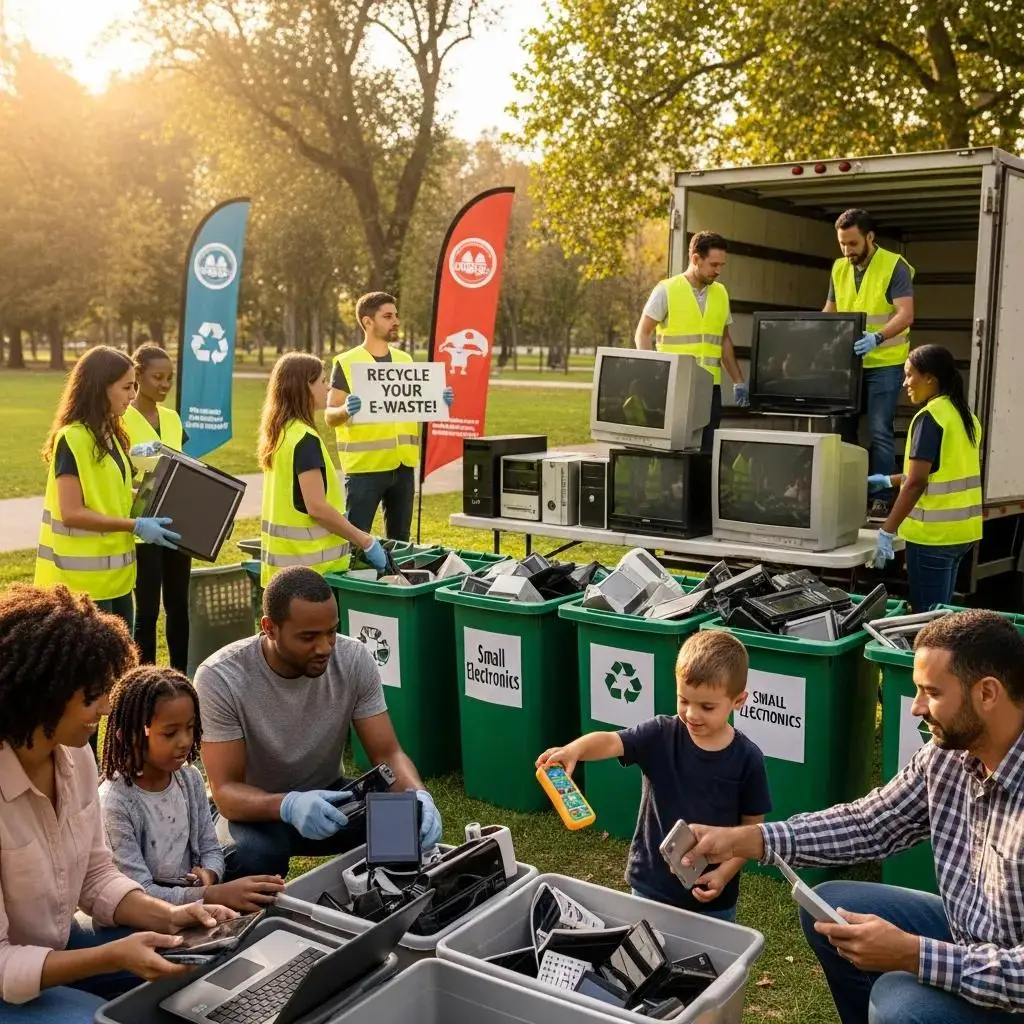
Community recycling programs play a crucial role in organizing e-waste collection events. These programs typically collaborate with local governments, environmental NGOs, and businesses to facilitate the collection and recycling of electronic waste. Successful events often involve extensive planning, including securing a location, promoting the event through various channels, and ensuring proper logistics for transporting collected e-waste to recycling facilities. Case studies of successful events demonstrate the effectiveness of community partnerships in increasing participation and raising awareness about e-waste recycling.
How to Find and Use Electronics Recycling Locations Near Me
Finding electronics recycling locations near you is essential for responsible e-waste disposal. Various resources can help you locate nearby drop-off points and event schedules.
Where to Locate E Waste Drop Off Points and Event Schedules
To find e-waste drop-off points, you can utilize several online resources, including local government websites, environmental organizations, and dedicated recycling platforms. Many municipalities provide interactive maps that list designated drop-off locations and upcoming e-waste collection events. Additionally, mobile apps focused on recycling can offer real-time information about nearby recycling options.
What Types of Electronic Devices Are Accepted at Recycling Events?
Recycling events typically accept a wide range of electronic devices, including:
- Computers and Laptops: Desktops, laptops, and their components.
- Televisions: CRT, LCD, and LED TVs.
- Mobile Devices: Smartphones and tablets.
- Home Appliances: Microwaves, refrigerators, and other electronic appliances.
However, certain items may be prohibited due to safety concerns, such as hazardous materials or items that do not meet recycling standards. Always check the specific guidelines for each event to ensure compliance.
What Are Safe Disposal Guidelines for Participating in E Waste Events?
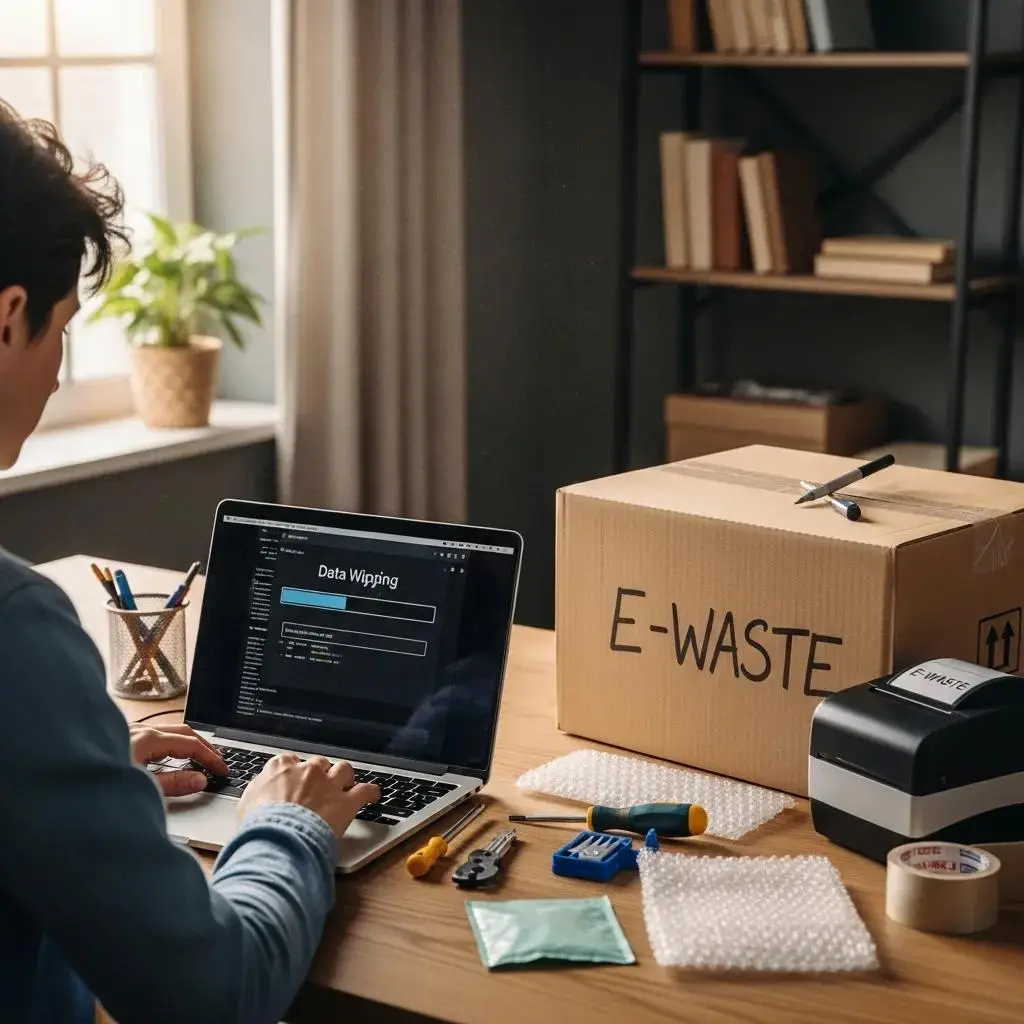
Participating in e-waste events requires adherence to safe disposal guidelines to protect both the environment and personal data.
How to Prepare Electronics for Drop Off at Collection Events
Before dropping off your electronics at a collection event, it is essential to prepare them properly. This includes:
- Data Wiping: Ensure that all personal data is erased from devices. Use software tools designed for secure data deletion.
- Physical Preparation: Remove any non-electronic components, such as batteries or accessories, that may not be accepted.
- Packaging for Transport: Securely package your devices to prevent damage during transport.
Following these steps will help ensure a smooth drop-off process and protect your personal information.
Are There Fees or Restrictions for E Waste Disposal at Community Drives?
Many community e-waste drives are free to participate in, but some may impose fees for specific items or require proof of residency. Common fees may apply to large appliances or hazardous materials. Additionally, restrictions may exist on certain items, such as those containing refrigerants or other hazardous substances. It is crucial to review the event’s guidelines beforehand to avoid any surprises.
How Do E Waste Disposal Workshops Enhance Community Awareness?
E-waste disposal workshops serve as educational platforms that enhance community awareness about the importance of responsible electronic waste management.
What Topics Are Covered in Environmental Education Programs at Events?
Workshops often cover a variety of topics, including:
- Environmental Impact of E-Waste: Understanding the consequences of improper disposal.
- Recycling Processes: How e-waste is processed and the benefits of recycling.
- Community Responsibility: Encouraging individuals to take action in their communities.
These educational programs empower participants with knowledge and practical skills to promote sustainable practices.
How Workshops Promote Responsible Recycling and Hazardous Waste Handling
Workshops also emphasize the importance of responsible recycling and proper handling of hazardous materials. By providing best practices and real-life examples, these programs help participants understand the significance of their actions in reducing e-waste and protecting the environment. Community success stories often inspire others to engage in similar initiatives, fostering a culture of sustainability.
How Can You Organize or Participate in Local Community E Waste Drives?
Organizing or participating in local community e-waste drives can significantly impact your community’s recycling efforts.
Steps to Plan and Host a Successful Electronic Waste Collection Event
To plan a successful e-waste collection event, consider the following steps:
- Identify a Location: Choose a central, accessible location for the event.
- Collaborate with Partners: Work with local governments, NGOs, and businesses to secure support and resources.
- Promote the Event: Use social media, flyers, and community boards to raise awareness and encourage participation.
By following these steps, you can create an effective event that encourages community involvement in e-waste recycling.
How Community Engagement Increases Participation and Environmental Impact
Community engagement is crucial for the success of e-waste drives. By fostering a sense of ownership and responsibility, individuals are more likely to participate and spread the word about the importance of recycling. Strategies such as volunteer opportunities, educational outreach, and incentives can enhance community involvement and maximize the environmental impact of e-waste events.
Further emphasizing the importance of community involvement, research highlights key strategies for boosting participation in e-waste recycling.
E-Waste Recycling: Community Participation Strategies
Strategies to increase community participation can be applied through education and community assistance, the provision of recycling facilities, and applied regulations about e-waste management and extended producer responsibility.
Factors influencing community participation in the management of household electronic waste in West Surabaya,
Indonesia, ES Pandebesie, 2019
What Are the Local and National Regulations Affecting E Waste Recycling Events?
Understanding the regulations surrounding e-waste recycling is essential for both organizers and participants.
Summary of Key Recycling Laws and Compliance Requirements
Local and national regulations govern the disposal and recycling of electronic waste. Key laws include the Resource Conservation and Recovery Act (RCRA) and various state-specific e-waste laws that outline compliance requirements for recycling facilities and collection events. Familiarizing yourself with these regulations can help ensure that your e-waste initiatives are compliant and effective.
How Regulations Influence Event Organization and Accepted Items
Regulations can significantly influence the organization of e-waste events and the types of items accepted. For instance, certain laws may restrict the disposal of hazardous materials, requiring specialized handling and processing. Understanding these regulations helps organizers plan events that meet legal requirements while effectively addressing community needs.
| E-Waste Type | Accepted | Restrictions |
|---|---|---|
| Computers | Yes | Data should be wiped |
| Televisions | Yes | CRTs may have fees or special handling requirements |
| Mobile Devices | Yes | Batteries must be removed if required by event guidelines |
| Appliances | Yes | Some may require special handling |
This table summarizes the types of e-waste typically accepted at recycling events, along with any restrictions that may apply. Understanding these guidelines ensures a smooth recycling process and compliance with local regulations.